AI & Fogeys
AI Tools for Adults 50+:
A Practical Guide | Fogey Freedom
AI That Feels Like Freedom — Not Frustration
You’ve lived a rich life full of stories, wisdom, and purpose. Now AI can help you share it more easily, reconnect with family, track what matters for your health and humor, and step into the next revealing chapter — without the usual tech overwhelm.
Karen and I have embraced AI as a time saving creation tool. Which AI do we use? ChatGPT, Grok, Gemini, Perplexity, and Claude. There are so many out there, but you don’t want to get bogged down with “tools”. We will call out several AI tools and a brief description of each. Like anything else, use what works for you and discard the rest, until you don’t.
Our Values
AI for Adults 50+ in 2026: Practical Ways to Save Time, Stay Safe, and Feel More Confident
If you’ve searched for “AI for 50+ Fogey’s,” you’re probably not looking for tech hype. You want practical answers. What can artificial intelligence actually do for adults 50+ in everyday life? Can it help with appointments, travel, caregiving, paperwork, writing, health questions, and avoiding scams? And is it still possible to use AI without feeling like you need a computer science degree?
The answer is yes.
In 2026, AI is becoming less about novelty and more about usefulness. Tools like ChatGPT, Google Gemini, Microsoft Copilot, Claude, and Perplexity are helping everyday people get faster answers, organize information, draft messages, and understand confusing topics in plain English.
For adults 50+, that matters. Whether you are still working, managing a household, caring for a parent, planning retirement travel, or simply trying to stay organized, AI can act like a patient assistant that never gets tired of your questions.
This guide breaks down how AI can help mature adults in real life, where it saves the most time, and how to use it safely.
__________________________________________________________________________
What AI means for adults 50+ in 2026
At its best, AI is not a replacement for your judgment. It is a helper.
Think of it as a tool that can:
explain things in simpler language
draft and rewrite emails or letters
summarize long articles, documents, or messages
brainstorm ideas when you feel stuck
help plan trips, meals, schedules, and routines
turn speech into text and text into clearer communication
answer follow-up questions without making you feel rushed
That combination is especially useful for adults 50+ because it reduces friction. Instead of spending 45 minutes searching five websites, comparing confusing advice, and trying to decode jargon, AI can give you a clear starting point in a few seconds.
Here’s a quick look at where AI is most helpful.
Everyday needHow AI helpsExample promptPaperwork and confusing languageSummarizes and explains documents in plain English“Explain this insurance letter like I’m new to the topic.”CommunicationDrafts emails, texts, cards, and follow-ups“Write a warm but professional reply to reschedule lunch.”Travel planningCompares options and builds itineraries“Plan a 4-day low-walking trip to Santa Fe with museum stops.”CaregivingOrganizes tasks and questions for doctors or family“Create a caregiver checklist for weekly medication and grocery support.”Learning new techGives step-by-step instructions“How do I move photos from my iPhone to my laptop?”SafetyHelps spot red flags in suspicious messages“Does this email sound like a scam? Tell me why.”
__________________________________________________________________________
10 Practical Ways AI Can Assist Adults 50+ in 2026
1. It can translate confusing paperwork into plain English
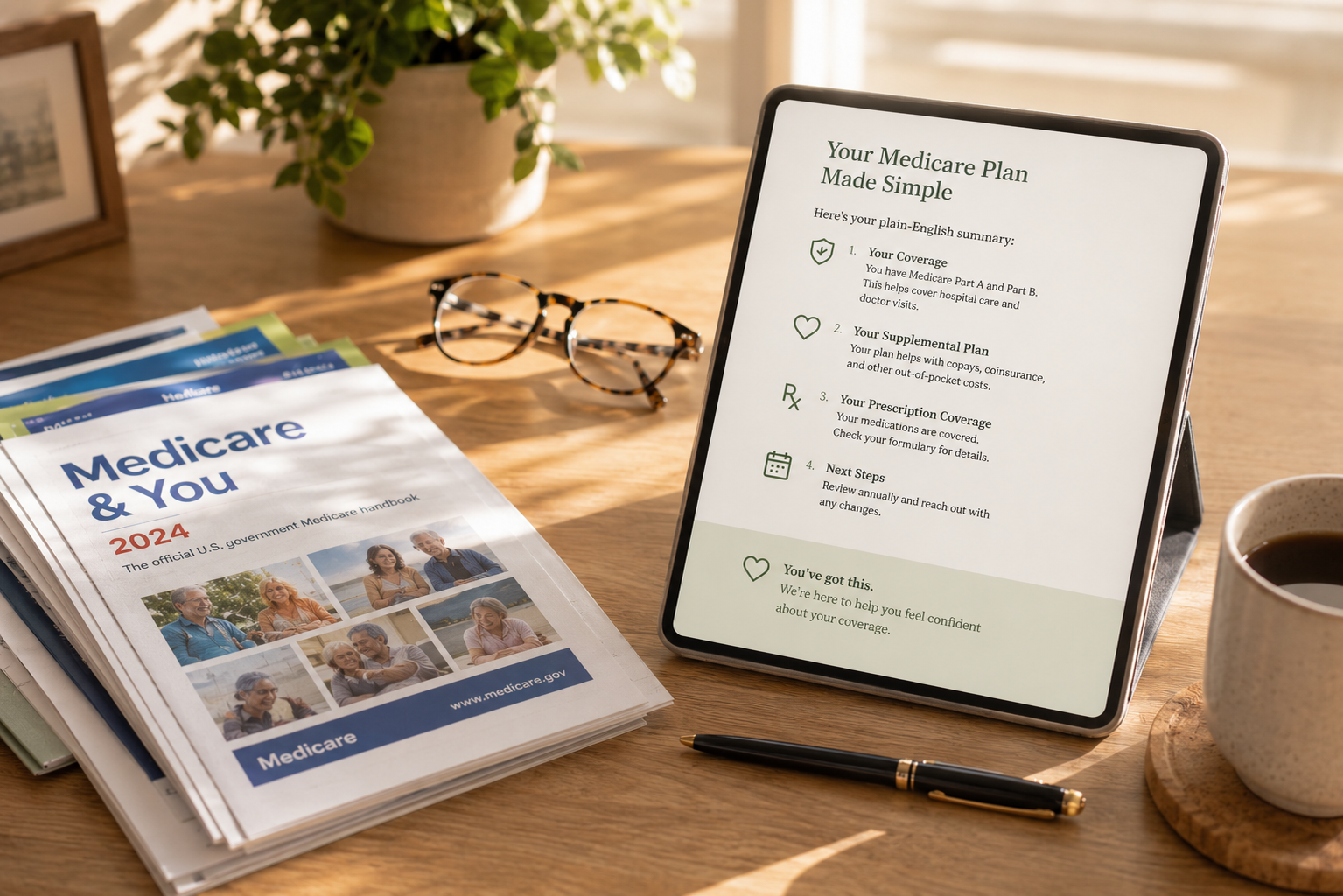
Medical bills, Medicare notices, insurance letters, bank documents, and legal forms often feel like they were written to confuse people on purpose. AI can help you understand what a document says before you take action.
You can paste in text or upload a document and ask:
“Summarize this in plain English.”
“What do I need to do next?”
“What deadlines or fees should I look for?”
“What questions should I ask before signing this?”
This does not replace advice from a lawyer, doctor, or financial professional. It does give you a clearer starting point, which can help you walk into those conversations better prepared.
2. It can help you write emails, texts, and letters faster
A lot of adults 50+ are juggling family communication, volunteer commitments, work projects, social plans, and follow-ups. AI is excellent at turning rough thoughts into polished writing.
You might type:
“Write a friendly text to my daughter asking if Sunday still works for dinner.”
“Draft a professional email asking for a billing correction.”
“Rewrite this message so it sounds warm, not too formal.”
This is one of the easiest ways to start with AI because the payoff is immediate. You save time, reduce stress, and avoid staring at a blank screen.
3. It can support caregiving and family coordination
Many adults over 50 are caring for aging parents, supporting a spouse, helping adult children, or all three at once. AI can help organize the mental load.
Try using it to:
create appointment checklists
build medication tracking templates
draft questions before doctor visits
summarize family updates into one message
create meal plans or grocery lists for special diets
Organizations like the National Institute on Aging and AARP offer helpful aging and caregiving resources, and AI can help you turn that information into an action plan that fits your household.
4. It can make travel easier and less overwhelming
Travel planning gets tiring when you compare hotel reviews, transportation options, accessibility concerns, walking distances, weather, and schedules. AI can cut through the noise.
For example:
“Plan a relaxed 5-day trip to Charleston for a couple in their 60s who like history, food, and short walking days.”
“Create a road trip route with stops every 2 hours.”
“Compare three luggage options for light travelers.”
AI can also help you create packing lists, daily itineraries, restaurant shortlists, and backup rainy-day plans.
5. It can make technology less intimidating
A common reason adults avoid new digital tools is not lack of intelligence. It is lack of patience from the systems teaching them. AI changes that because you can ask the same question three different ways and get a calm answer every time.
Ask things like:
“Explain cloud storage without jargon.”
“How do I join a Zoom call from an email invitation?”
“What is the difference between Wi-Fi and mobile data?”
For video calls and note-taking, tools like Zoom and Otter.ai can also help with transcription and meeting summaries, which is especially useful for appointments, classes, or group discussions.
6. It can help with health and wellness research, carefully
AI can be useful for turning complex health information into language that is easier to understand. It can also help you prepare better questions before a medical visit.
Try prompts like:
“Explain this diagnosis in simple terms.”
“What questions should I ask my doctor about this medication?”
“Help me create a list of symptoms and timing for my appointment.”
This is where caution matters most. AI should never diagnose, prescribe, or replace a licensed medical professional. Use trusted health sources such as MedlinePlus, the Mayo Clinic, and the National Institute on Aging to verify important medical information.
7. It can help you spot scams and suspicious messages
Scams are getting smarter, and AI-generated scams are part of that problem. The good news is AI can also help you slow down and evaluate messages before you respond.
You can paste in a suspicious email or text and ask:
“What makes this sound suspicious?”
“Is this trying to create panic or urgency?”
“What should I do before clicking anything?”
Use AI as a second opinion, not the final verdict. For fraud and scam guidance, the Federal Trade Commission is a reliable source, and the FBI Internet Crime Complaint Center is useful for reporting cybercrime.
8. It can support hobbies, learning, and encore careers
Adults 50+ are not just managing life. Many are learning new things, launching side businesses, consulting, freelancing, volunteering, or rediscovering hobbies.
AI can help you:
outline a memoir
learn conversational Spanish
compare gardening methods
create a workshop agenda
brainstorm names for a small business
draft LinkedIn summaries or resumes
simplify research for a community project
That makes AI useful not just for convenience, but for momentum.
9. It can improve accessibility for vision, hearing, and language needs
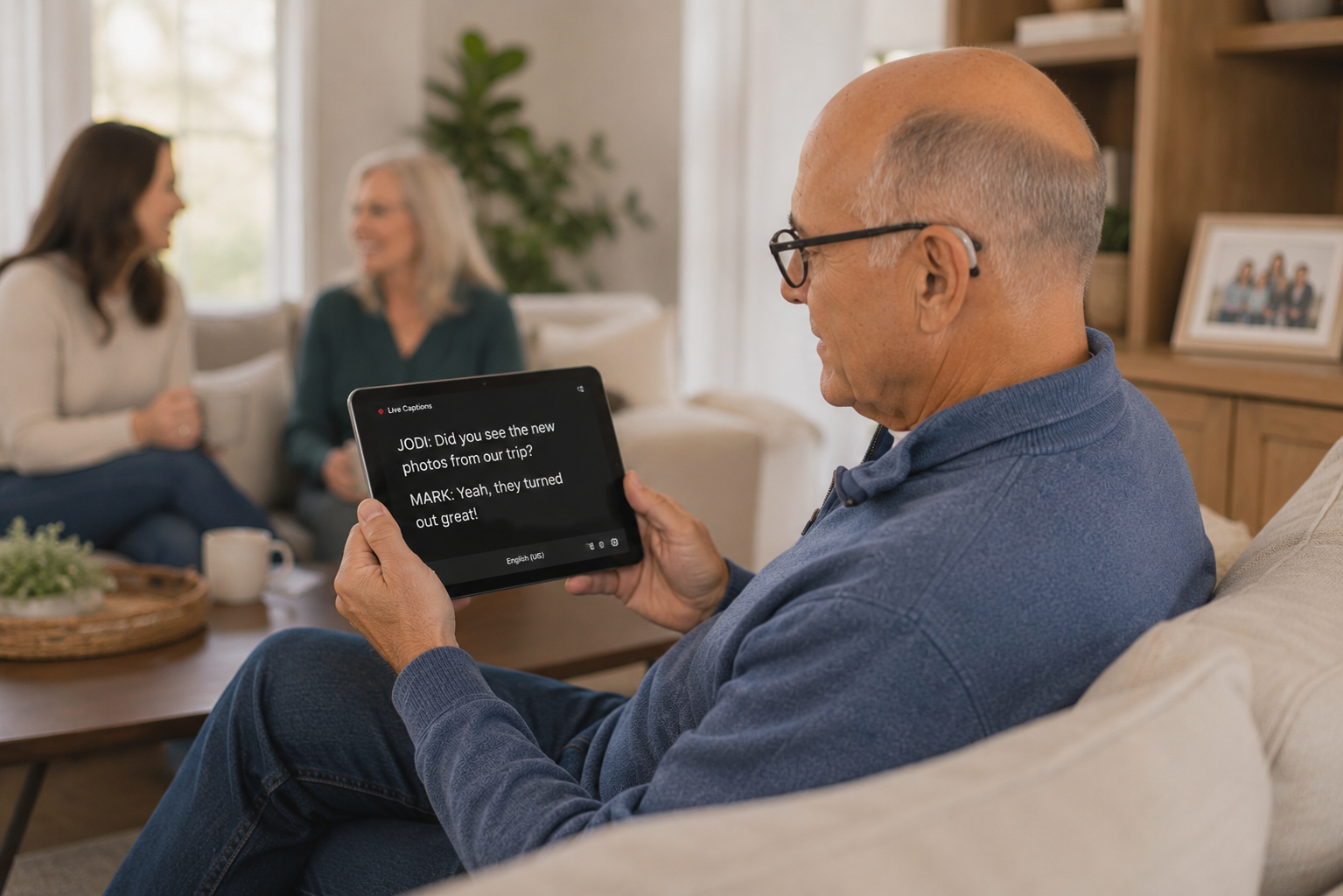
One of AI’s most practical benefits is accessibility. Speech-to-text, text-to-speech, live captions, visual recognition, translation, and voice assistants can reduce day-to-day friction.
Major platforms like Apple Accessibility, Microsoft Accessibility, and Google Accessibility continue to build AI-powered features that can help users read, hear, dictate, navigate, and communicate more easily.
For mature adults who want technology to meet them where they are, this is a major win.
10. It can reduce decision fatigue
Some of the best AI uses are small and simple.
“What should I cook with chicken, spinach, and rice?”
“Create a 30-minute weekly reset routine.”
“Give me three gift ideas for a grandson who likes science.”
“Make a packing list for a two-night weekend trip.”
These are not dramatic tasks. But they add up. AI reduces the number of little decisions that drain your attention every day.
__________________________________________________________________________
Best AI tools for beginners over 50
Here’s a practical comparison of several popular AI tools adults 50+ may find useful.
ToolBest forWhy it helps beginnersLinkChatGPTWriting, brainstorming, explanationsEasy conversational style and flexible promptsOpenAI ChatGPTGoogle GeminiGoogle-connected tasks and research helpFamiliar for people already using Google productsGoogle GeminiMicrosoft CopilotHelp inside Microsoft tools and web tasksStrong fit for people already using Windows or Microsoft 365Microsoft CopilotClaudeClear writing and thoughtful summariesOften good for long-form explanations and document helpClaudePerplexitySearch-style answers with source linksHelpful when you want quick answers with citationsPerplexityOtter.aiTranscription and notesGreat for meetings, classes, and spoken remindersOtter.ai
For most beginners, the easiest place to start is one tool, one task, one week. Do not try everything at once.
__________________________________________________________________________
How adults 50+ can start using AI safely in 2026
The best AI habit is simple: use curiosity, but keep your guard up.
Start with low-risk tasks
Begin with recipes, packing lists, email drafts, summaries, or travel ideas. That lets you learn the tool before using it for anything sensitive.
Do not paste in private personal information
Avoid entering Social Security numbers, account numbers, passwords, or private health and financial details unless you fully understand the platform’s privacy settings and terms.
Verify important information
AI can sound confident even when it is incomplete or wrong. Double-check medical, legal, financial, and safety-related advice using trusted sources or professionals.
Watch for emotional pressure
Whether it is an AI answer or a suspicious email, urgency is a red flag. Slow down when something tells you to act immediately.
Save your best prompts
Once you find a prompt that works well, keep it in a note on your phone or computer. That makes AI much more practical over time.
__________________________________________________________________________
Common concerns adults 50+ have about AI
“Am I too late to learn this?”
Not even close. AI is still early enough that beginners are entering every day. In fact, adults with strong life experience often use AI better because they ask sharper questions and recognize weak advice faster.
“Will AI replace human connection?”
It should not. AI is best used to support human life, not replace it. It can help you communicate better, prepare for conversations, and reduce stress so you have more energy for the people who matter.
“What if I ask a dumb question?”
That is exactly what AI is good for. It does not roll its eyes. It does not rush you. It just answers.
A simple weekly AI routine for adults 50+
If you want a realistic starting point for 2026, try this:
Monday: ask AI to plan your week
Tuesday: use it to draft one email or message
Wednesday: have it explain one confusing article or document
Thursday: use it for meal planning or errands
Friday: ask it to summarize a topic you want to learn
Weekend: use it for travel, hobbies, family planning, or fun
That is enough to build comfort without making AI feel like another chore.
__________________________________________________________________________
The Fogey Freedom Bottom Line
AI for Fogeys is not about becoming a tech expert. It is about making everyday life easier.
In 2026, the Fogeys who benefit most from AI will not necessarily be the most technical. We’ll will be the ones who use it with purpose. To save time. To write faster. To understand more. To plan better. To stay safer. To reduce overwhelm.
That is the real opportunity.
If you are a Fogey, AI does not need to be flashy to be valuable. It just needs to be useful. And when we use it well, it can become one of the most practical tools in our daily routines.
__________________________________________________________________________
FAQ: AI for Fogeys
Is AI hard to learn after 50?
No. Many AI tools are designed like a conversation. The learning curve is often lower than expected, especially if you start with simple tasks like email drafting or trip planning.
What is the best AI tool for Fogeys?
A conversational tool like ChatGPT is often a strong starting point, while Perplexity is useful for source-linked answers and Microsoft Copilot can feel familiar for Microsoft users.
Can AI help Fogeys avoid scams?
It can help identify red flags, but it should not be your only line of defense. Always verify suspicious messages with trusted sources like the FTC.
Can AI help with health questions?
Yes, for explanation and preparation. But it should not replace a doctor, pharmacist, or licensed clinician. Use sources like MedlinePlus and the National Institute on Aging for verification.
Is AI worth using for everyday life?
Yes, especially for writing, planning, summarizing, learning, travel, and organization. The biggest value often comes from small, repeated uses rather than one dramatic task.
The Freedom We Stand For
The freedom we stand for is not about escaping life’s responsibilities or longing for youth. It is about reclaiming ownership of your time, your voice, and your direction. It is the freedom to live authentically after decades of meeting expectations, fulfilling obligations, and putting others first. We believe this stage of life offers a unique opportunity to rediscover who you are and what truly matters to you.
This freedom means releasing limiting stereotypes about aging and stepping into a season defined by confidence, clarity, and intention. It is the freedom to pursue new passions, deepen old ones, speak openly, laugh often, and engage with the world on your own terms. It is also the freedom that comes from community — knowing you are not alone, that others share your journey, and that together you can continue to grow, contribute, and thrive.
Fogey Freedom exists to celebrate this independence of spirit. It is a place for those who understand that getting older is not about fading away, but about stepping fully into a life shaped by experience, purpose, and the courage to be unapologetically yourself.